


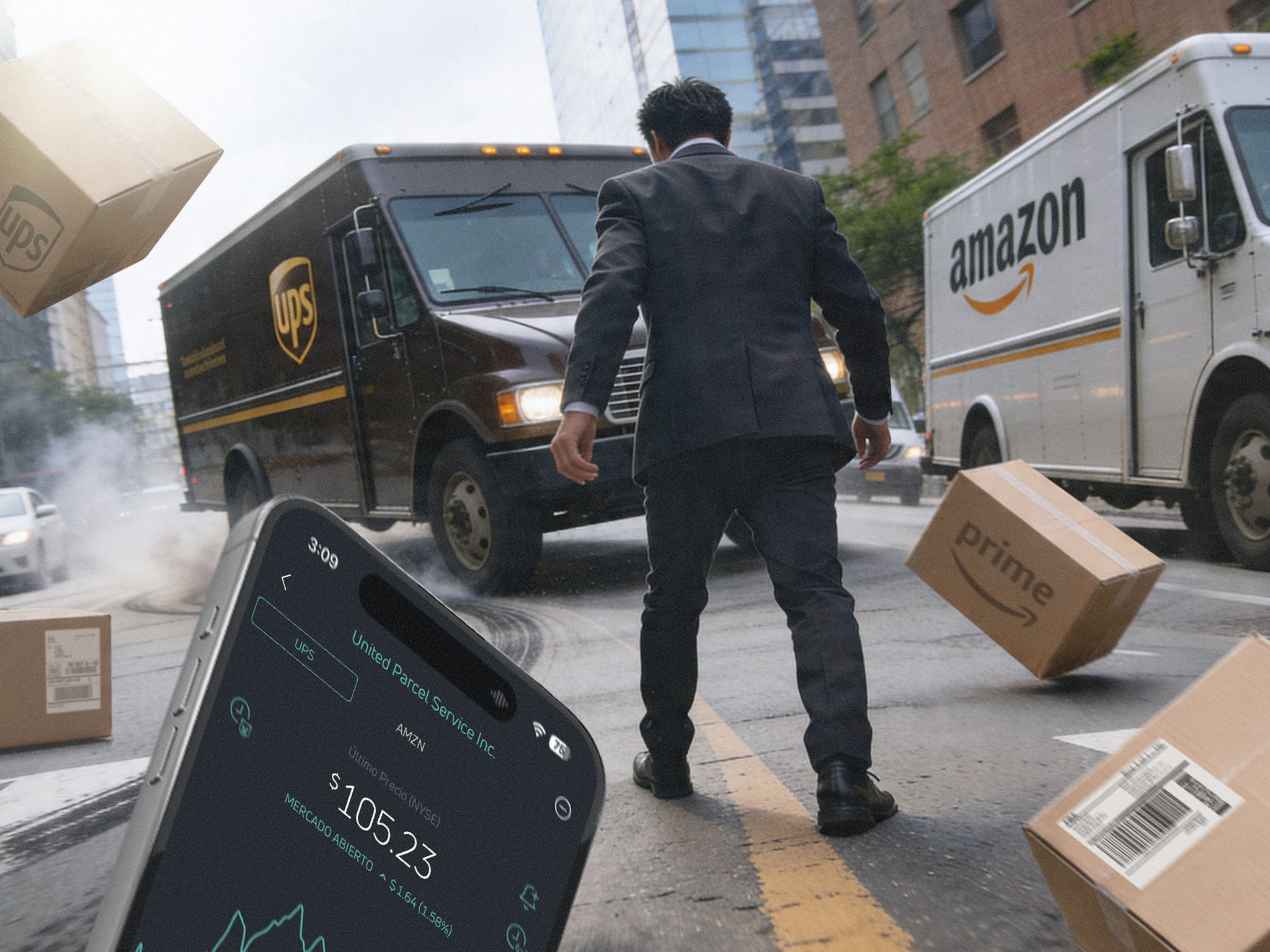


Package-delivery giant United Parcel Service Inc. (NYSE: UPS) has languished in the doldrums over the past five years, with its stock slumping 39%, compared to a 76% gain for the S&P 500.
The company has particularly suffered from intensified competition in the delivery industry, especially Amazon (NASDAQ: AMZN), and from the high wages it pays unionized workers. While UPS Teamster drivers get paid up to $45 an hour, Amazon’s drivers, who are freelance (gig) workers, receive just $18 to $25, according to Bloomberg.
Amazon is both a friend and an enemy to UPS. In 2020, Amazon, UPS’ biggest customer, accounted for more than 13% of its revenue. By 2024, that number dipped to 12%, but Amazon still made up 20% to 25% of UPS’ network volume in the U.S. Delivering small packages on a tight timeline doesn’t make for profitable operations for UPS.
In early 2025, UPS said it would slash its package volume from Amazon more than 50% by June 30 this year.
But that has just shifted investor concern from UPS’ dependence on Amazon to how it will make up for the lost delivery volume, according to Bloomberg. Its U.S. package volume dropped 10.8% last year.
Amazon adjustments
“UPS is in the process of adjusting its domestic cost base to the Amazon volume losses,” wrote Morningstar analyst Matthew Young.
But the reduction “doesn’t end the Amazon relationship,” UPS CEO Carol Tomé told Bloomberg. “They’re still going to be a very large customer.” Amazon still needs UPS’ help, given the expense of developing its own delivery network, Young said.
UPS said it’s retaining the most profitable elements of the relationship. That means handling bigger packages and returns that are amassed at single locations such as UPS stores rather than individual homes, Bloomberg explains.
In any case, Amazon has turned into a major competitor for UPS. The retail titan is now No. 1 for package delivery volume in the U.S. “Amazon’s expanding parcel delivery capabilities can’t be ignored,” Young said.
But there are constraints. “Amazon has limited national linehaul capacity,” he said. “Its network appears to be geared mostly for local delivery of packages already in a specific region.”
Innovation: History and opportunity
Looking at other issues, when it comes to innovation, 119-year-old UPS has a storied history. That includes a conveyor belt, cargo planes and barcoding system. Now it has invested $100 million in a radio frequency identification system to better track the billions of small packages that transverse its U.S. pipeline each year.
“We expect UPS to continue refining the productivity and efficiency of its business-to-consumer delivery network,” Young said.
Meanwhile, recent earnings aren’t impressive, with revenue sliding 3% year-on-year in the fourth quarter. The U.S. adjusted operating margin registered 10.2%, barely changed from a year earlier.
But the long-term may be brighter. “Our 2027 profit-margin forecast (near 8.5%) still assumes UPS secures material benefits from fixed and variable cost-cuts, including driver attrition,” Young said. So UPS may deliver on time.


Comments