



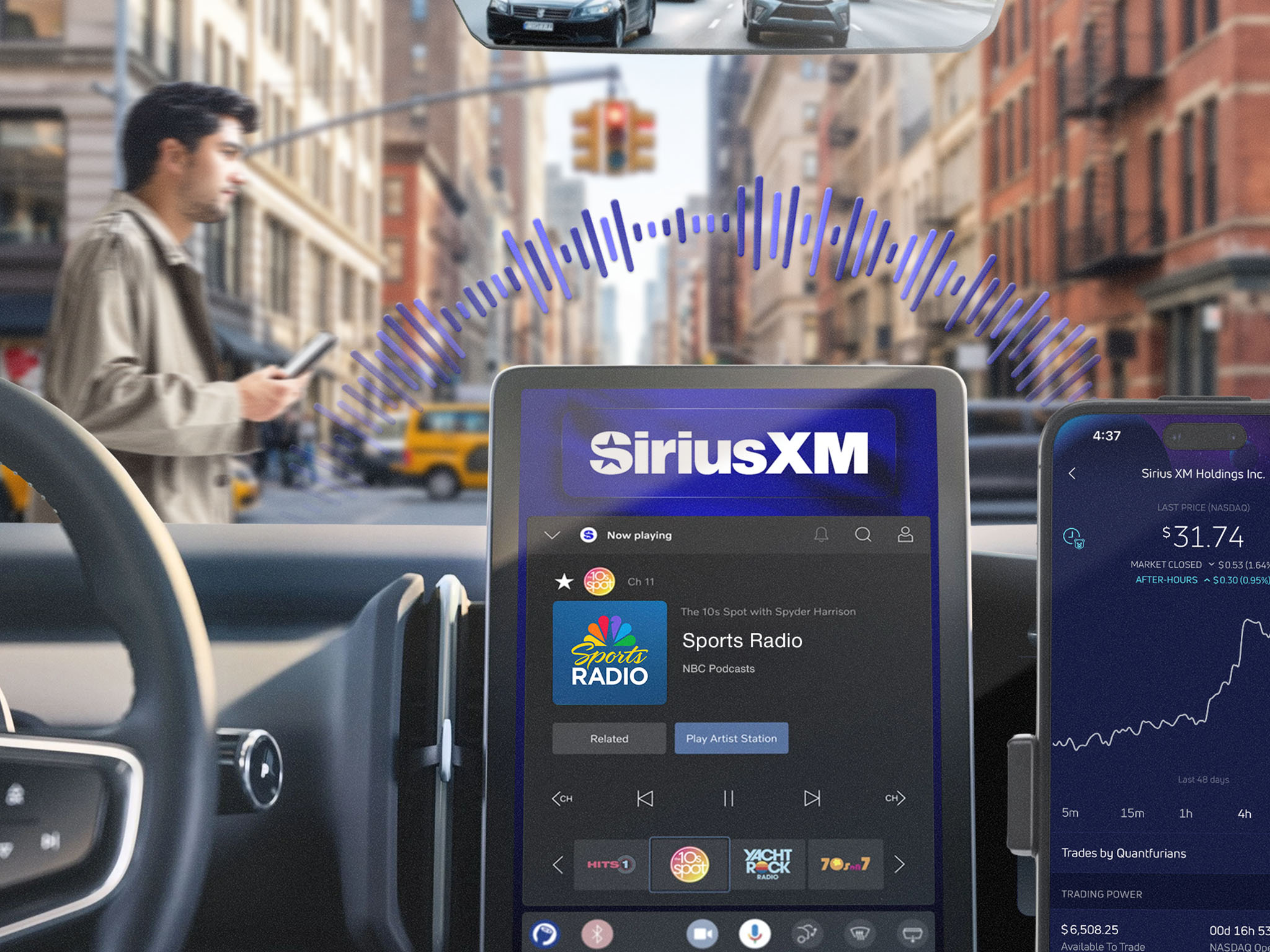


SiriusXM (NASDAQ: SIRI), the giant U.S. listening platform, has lately broadcast the sound of success. The satellite radio stalwart has seen its stock soar 47% over the past year.
It has enjoyed the approval of Warren Buffett’s Berkshire Hathaway (NYSE: BRK.B), which has a 37% share of the $11 billion market-cap company. But not everyone is so enthusiastic.
Sirius has two listening platforms: SiriusXM, which consists of radio stations and the Pandora streaming service. SiriusXM radio accounts for about 75% of the company’s revenue and 85% of gross profit.
Almost all of its listenership comes in cars. It’s installed in about 85% of new autos sold in the U.S., though it generally starts as a free trial. It’s usually ad-free, with listeners paying a subscription fee. But last year it began an ad-supported version with a lower subscription price.
The company Sirius also has an audio ad exchange, the largest digital audio ad network in North America. That includes ads for its own content and others’. Ad networks connect advertisers and publishers, such as radio stations.
Deals with Alphabet, Amazon
Sirius is the exclusive ad representative of Alphabet’s (NASDAQ: GOOGL) YouTube audio advertising inventory in the U.S. Sirius also has a venture with Amazon (NASDAQ: AMZN), integrating Sirius’ ad exchange with the Amazon Demand-Side ad Platform.
Sirius’ advertising apart from ads on its own platform accounts for about 10% of total revenue, according to Morningstar analyst Matthew Dolgin. Overall, ads make up 21% of revenue, and subscriptions 76%.
In the third-quarter, year-on-year adjusted EBITDA gained 3%. The adjusted EBITDA profit margin rose 1 percentage point to 32%, the third straight quarter with an increase at least that high. Free-cash flow soared 14%. The company benefited from cost discipline, with expenses sliding for programming and content, customer service and billing, and sales and marketing.
To be sure, revenue was essentially flat, gaining less than 0.1%. And Dolgin sees plenty of headwinds for Sirius. “The SiriusXM platform [remember that’s most of the company’s revenue] is fighting an uphill battle,” he wrote in a commentary.
“The satellite-based distribution that once gave it a unique offering and an advantage over competition is no longer necessary to offer an audio subscription service in vehicles.”
Stiff competition
SiriusXM’s competition now mostly comes from music providers streaming on the Internet rather than from terrestrial radio stations. “We believe those services provide the better value proposition for most consumers,” Dolgin said.
Sirius’ satellite service for autos costs much more than double the price for a standard streaming music subscription. “And it has less unique content than it traditionally had, especially now that the industry’s podcast business model has trended away from platform exclusivity,” he said.
SiriusXM’s top service provides unique access to major sporting events and some talk show personalities. “But we don’t see the unique aspects as compelling to a large enough market, nor do we think SiriusXM has an advantage in licensing the rights to this content,” Dolgin said.
He sees the company’s revenue dipping 1% annually on average through 2030. The number of subscribers and revenue per subscriber will slip modestly too, he said. “The firm can slow the pace of customer defections by promoting its app-only service, but this plan will cannibalize some subscribers who previously subscribed to the higher-priced standard satellite plan.”
All this makes it unclear whether Sirius can sustain its success.


Comments