



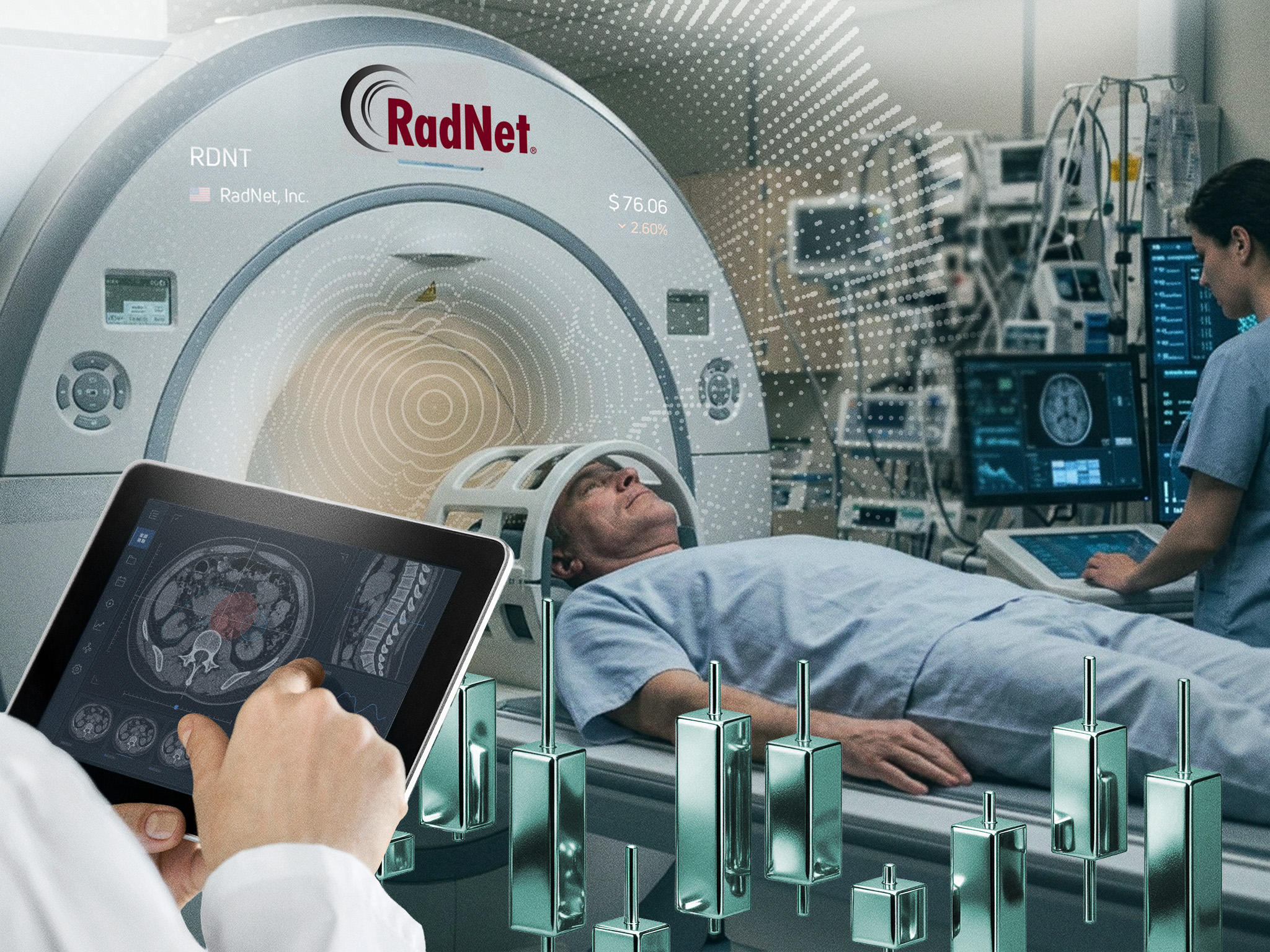


RadNet (NASDAQ: RDNT), a national outpatient diagnostic imaging services provider, is preparing to ramp up its dealmaking to grow its revenue from its imaging centers and technology platforms.
In October, the company acquired Onrad, a radiology services firm, for $350 million in cash and five million shares. RadNet said the acquisition will launch a new reportable operating segment called Radiology Professional Services and will generate $190 million to $200 million of revenue in its first year of operation.
“This is the next step in building an imaging company with comprehensive solutions that brings technology, radiology professional services and imaging operations together to address some of healthcare’s most pressing challenges and needs,” said CEO Howard Berger.
Expanding geographic footprint
RadNet is on the hunt for more acquisitions. Additional deals would give RadNet the ability to expand from its current footprint of 439 owned and/or operated outpatient imaging centers in 11 states. The company has quadrupled its size since 2006. Shares of the company rose by 8.7% year-to-date.
In June, RadNet received a $250 million term loan from Barclays to fund strategic growth opportunities “across RadNet’s national imaging center network and technology platforms” and reduce the interest rates on its credit facility, said CFO Mark Stolper.
The company has been on an acquisitive streak this year to expand its geographic footprint. RadNet kicked off 2026 by acquiring 13 outpatient imaging centers in Florida from LucidHealth for $65 million in January. The company also invested $9 million to acquire six additional imaging centers from Northwest Radiology in Indiana in February. Those two deals are expected to generate $120 million in revenue.
More deals on the horizon
Executives have been discussing the company’s expansion plans since March. RadNet’s plan is to acquire more technology that includes artificial intelligence and imaging centers that provide CAT scans and MRIs.
The company acquired Gleamer, a French radiology AI firm, for nearly $270 million in March. Gleamer is a cloud-based AI radiology provider to 700 customers across 44 countries and is now part of DeepHealth, RadNet’s wholly-owned subsidiary that provides radiology clinical AI solutions worldwide.
RadNet will consider both smaller tuck-in acquisitions while also considering more partnerships with larger hospital systems, Berger said.
The company continues to expand its joint venture partnerships with hospitals. Through the end of the third quarter, 161 of its 439 centers or 37%, were located within health system partnerships, he added. RadNet expanded an existing partnership with the University of Maryland Medical System that includes the contribution of additional imaging centers into a newly restructured joint venture.
RadNet anticipates that the number of patients seeking MRIs and CAT or PET scans will rise, especially as technological improvements are made to imaging.
The company plans to seek more deals and joint venture partnerships, said Stolper during an earnings call.
“We love to acquire other operators who are not as efficient and haven’t deployed the same tools and level of technology where we can then acquire those businesses which have embedded capacity that we can grow through time with implementing all of our programs,” he said. “These tuck-in acquisitions that we do are extremely important to our ability to continue to drive capacity and efficiency.”
Growth in diagnostic imaging
RadNet reported growth from both its imaging volume and digital health segments. Revenue rose by 22.1% to $638.3 million in the third quarter of 2026 from $522.9 million in the third quarter of 2025. Revenue from the digital health segment grew by 32.6% to $32.9 million in the third quarter of 2026 from $24.8 million in the third quarter of 2025.
Volume for advanced imaging, which includes MRI, CT and PET/CT scans, increased by 19.9% and same-center advanced imaging procedural volumes increased 8.9% as compared with the third quarter of 2025. New technology lowered scan times from one hour to under 15 minutes, while CT coronary angiography volume has grown 100-fold over 1.5 years.
The company raised its 2026 guidance levels which estimate its imaging center segment revenue will grow by 17% to 19% and free cash flow growth of 29% to 41% from 2025 levels.
RadNet will likely see more growth as more patients are diagnosed with injuries and diseases and will need to undergo diagnostic imaging to treat them.


Comments