


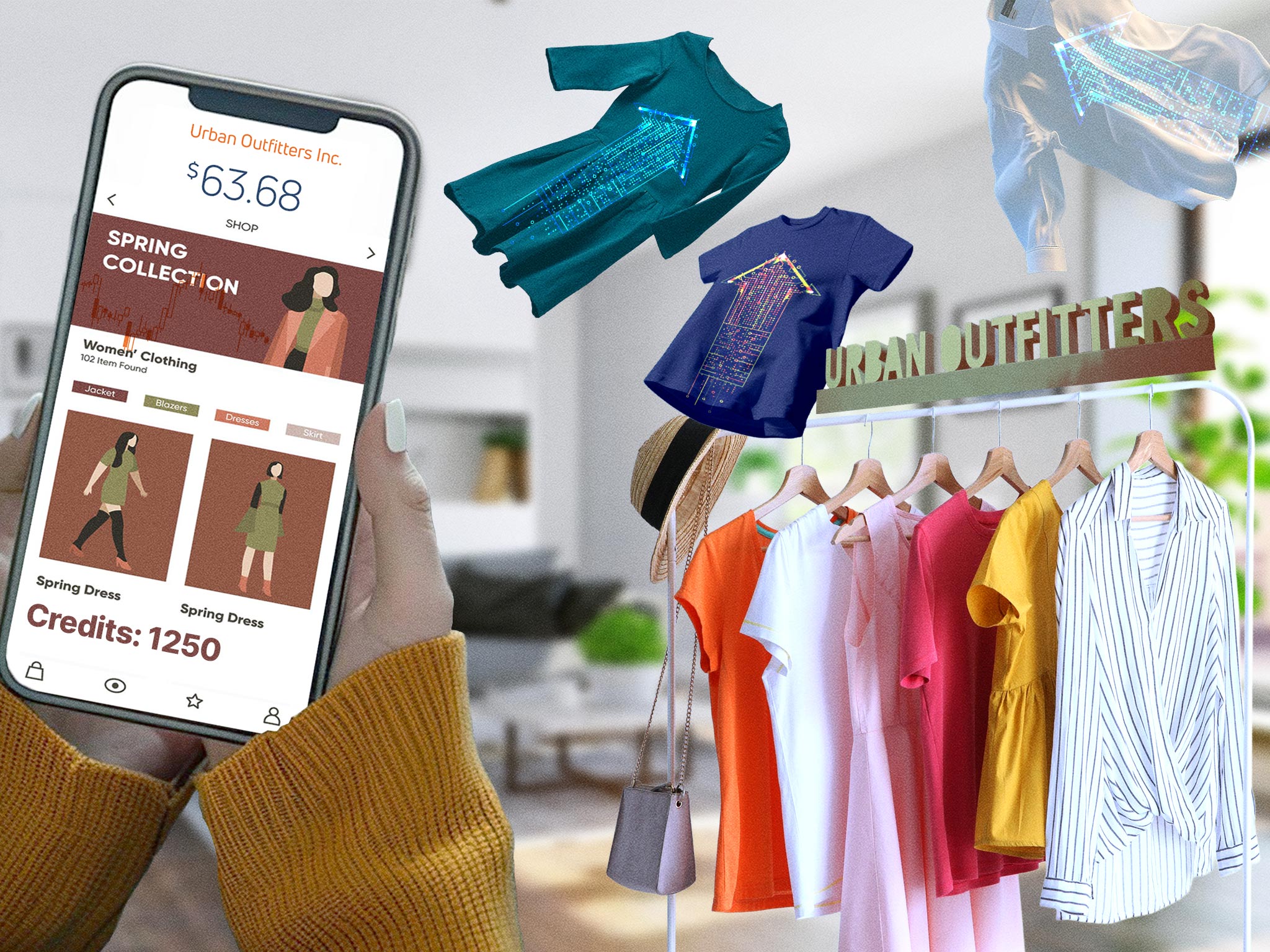


The allure of receiving new clothing once a month is a deal that many shoppers do not want to pass up, benefiting companies such as Urban Outfitters (NASDAQ: URBN), which offer a subscription service.
Keeping clothing for several years has lost some of its luster. Instead, consumers who like to keep up with fashion trends or those who are bored with their current wardrobe, sign up for Nuuly, the subscription service that the apparel company launched in 2019.
Appeal of the monthly subscription service
The number of people who want some variety in what they are wearing is rising quickly. Nuuly now has 420,000 average active monthly subscribers, a 40% increase from a year ago.
Revenue in 2025 for Nuuly reached $568 million for the year that ended January 31, beating the $500 million goal that the company set last February. The profit margin for the division also rose to $35 million, compared to $21 million from a year ago. The company now says its goal is to reach $1 billion in sales, but did not give a date for the target.
Nuuly’s price point also appears to be working well for its customers who are price-conscious. The monthly fee is $98, which is affordable and gives shoppers the freedom to either send back items they did not like or buy what they prefer. They do not pay any additional hidden charges for mailing it back. Nuuly professionally cleans the clothing, does not impose any damage or late fees, and is flexible, letting its customers pause or cancel anytime.
The customers who subscribe want more options than what is in their closet currently and are typically between the ages of 25 and 35. While Nuuly’s inventory tends to be more casual, some shoppers like the service because they can bring dresses or other items for vacations or even weddings without having to splurge for a more formal dress.
Nuuly, which lets you keep or swap out the shirts, pants, or dresses each month, now generates 10% of the overall revenue for Urban Outfitters, which also sells brands such as Anthropologie, Free People, FP Movement, and its namesake Urban Outfitters.
One trend that is growing that executives did not always count on was converting those shoppers into buyers of clothing from its sister brands. But the consumers who subscribe each month are also buying clothing such as blouses, dresses, and pants from its other brands.
“We thought it was possible that it could pull from some of that average spend from the retail segment brands,” said Frank Conforti, Urban Outfitters’ co-president and chief operating officer, according to the Wall Street Journal. “We’ve actually found the exact opposite, that it actually has been, you know, accretive to those brands.”
Urban Outfitters also reported its revenue for the year ended in January rose by 11% to $6.17 billion compared with a year ago. Nuuly added almost 3 percentage points to the increase. The profit increased by 15.5% to $465 million.
Revenue grew by 7.3% at Urban Outfitters, 5.9% at Anthropologie, and 4.8% at Free People. Net sales for the subscription segment rose by 50.2%, primarily driven by a 45.3% increase in average active subscribers.
Investors have placed their confidence in the company, sending shares up 29.65% in the past year.
One factor that stands out is that Nuuly purchases 50% of its clothing from Anthropologie and Free People operations and the Urban Outfitters brand at cost, according to the WSJ. The rest of the clothing is purchased wholesale from various brands such as Levi Strauss, Madewell, and Reformation.
Clothing rental has been popular for several years. Rent the Runway (NASDAQ: RENT), which led the concept that shoppers could rent their clothing in 2009, has lost some of its appeal with consumers, even though it offers different levels of subscriptions starting from $110 and up to $375 monthly.
The stock has not fared as well, rising only 11% in the past year with a 47% gain from the past six months. But the company is attracting more customers and reported 147,600 average active subscribers at the end of October, a nearly 13% increase from the previous year. Revenue has started to pick up to reach $87.6 million for the quarter that ended Oct. 31, a 15% increase from the previous year.
Shoppers in the U.S. are ardent fans and shelled out $1 billion in 2025, doubling the amount from 2020, according to market research firm Future Market Insights. In 2026, consumers are estimated to spend $1.1 billion.
The ability to have access to thousands of different outfits, trying different fashion trends, and the option to keep their favorite jeans or dresses will help Urban Outfitters’ Nuuly division reach higher profit margins.


Comments