


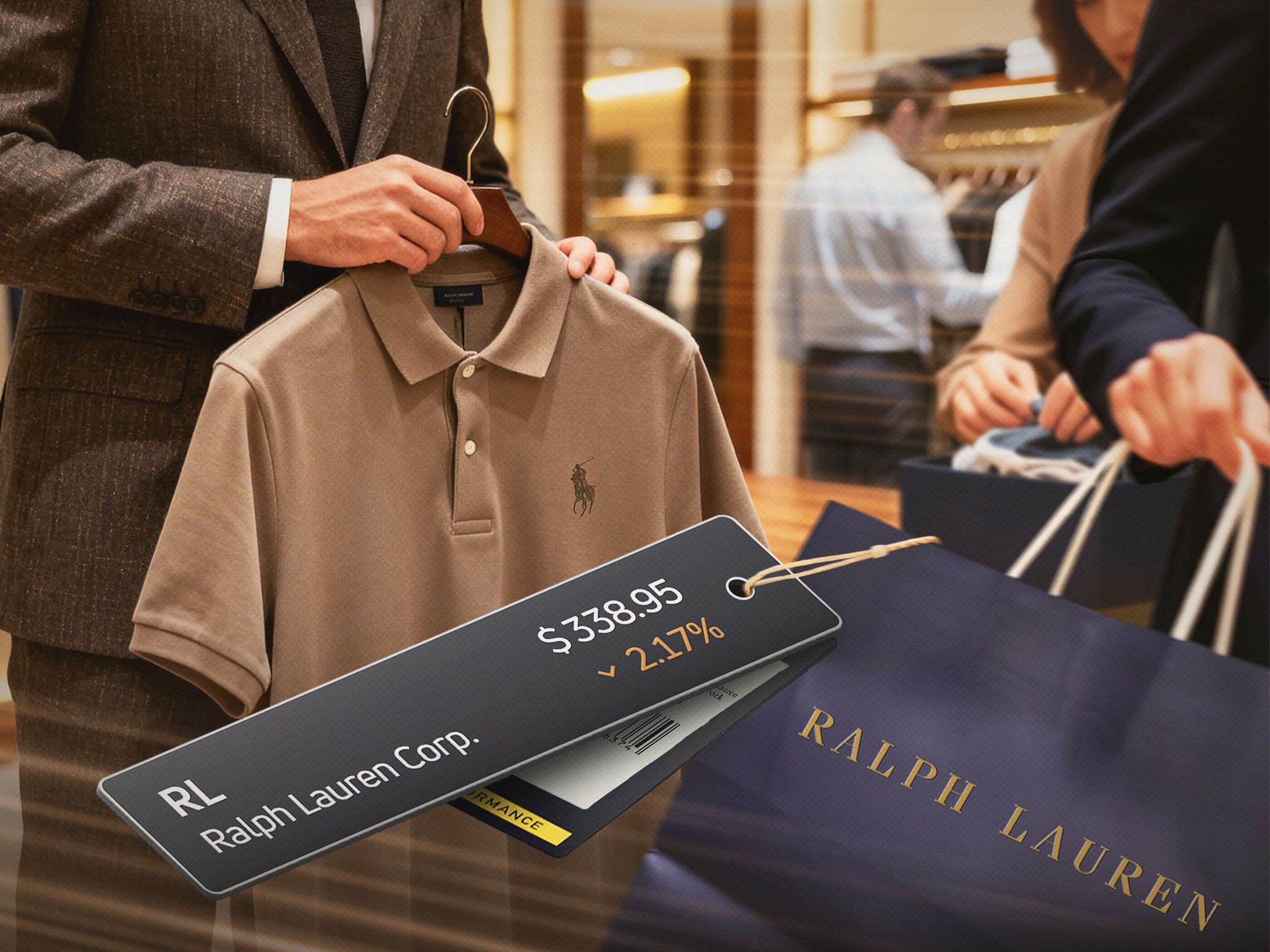


For anyone who grew up in the 1970s, a polo shirt by Ralph Lauren (NYSE: RL) represented a mark of distinction, a symbol of an upscale lifestyle.
The shirts, with their polo-player emblems, were originally popular among the well-educated wealthy. But the cache has spread far enough for Ralph Lauren polos to become a major element of hip-hop and street culture.
Ralph Lauren products are mass market, but they cost more than competitors’. A standard men’s polo goes for $118 on Lauren’s web site, helping to juice the company’s profits.
Investors have approved. The stock has generated annualized total returns of 60% over the past year, 46% over the last three years, and 24% over the last five years, crushing the S&P 500. But the path has included bumps. The stock plunged 64% from December 2014 until March 2020.
The biggest problem for the company was poor inventory control, which led to massive discounting of its products. In response, “it closed underperforming [Ralph Lauren-owned] stores, reduced exposure to U.S. department stores and off-price channels, and cut product lead times,” notes Morningstar analyst David Swartz.
“That restructuring has put Ralph Lauren on solid footing as it navigates macroeconomic challenges.” (Those challenges include tariffs and sluggish consumer spending.)
Specifically, the moves have been a boon for Ralph Lauren’s profit margins, with its operating margin surging 150 basis points to 69.9% in the December quarter from a year earlier. Sales ascended 12%, and profit jumped 22$.
An increase in direct-to-consumer sales, which give the company more control over pricing and positioning, also is helping. Swarts predicts these sales will climb to 75% of sales in fiscal 2035 from 67% in fiscal 2025. That’s important as consumers shop less in stores and more online.
Ralph Lauren is making hay all over the world. In the December quarter, North American revenue increased 8%, European revenue increased 12% and Asian revenue increased 22%.
North America accounts for 45% of the company’s revenue, with Europe at 28% and Asia at 26% (other segments account for the remaining 1%).
Analysts say foreign markets will provide much of Ralph Lauren’s growth in coming years. “Its brand is more of a premium one in Europe and Asia than in North America, allowing for fewer markdowns and higher average unit retail prices,” Swartz said.
He projects 4% average annual sales growth over the next 10 years in Europe and 6% in Asia, “where Ralph Lauren trails some competitors.” He expects total company sales growth to register 3%-5% in the next three years.
Meanwhile, as Ralph Lauren’s brand is perhaps its most valuable asset, marketing and advertising are important for the company. It spent 7.3% of sales on marketing and advertising in fiscal 2025 ended in March 2025, up from 4.5% five years earlier.
“In the past, the company had too many labels, and its marketing was unfocused, resulting in inadequate support for its core brands and merchandise,” Swartz said. But an emphasis on social media and online events is making a difference.
“These efforts are paying off and that Ralph Lauren has been able to reduce unnecessary expenses to fund greater marketing,” Swartz said. The company has succeeded in presenting a distinctive image of itself.
“Ralph Lauren holds a prominent place in American popular culture that few other brands can claim, .. and it has proven international appeal,” he said, noting that its clothing is often featured on fashion magazine covers and at major events like the Academy Awards, tennis Grand Slam tournaments and the Olympics.
So it looks like the company will stay in fashion.


Comments