


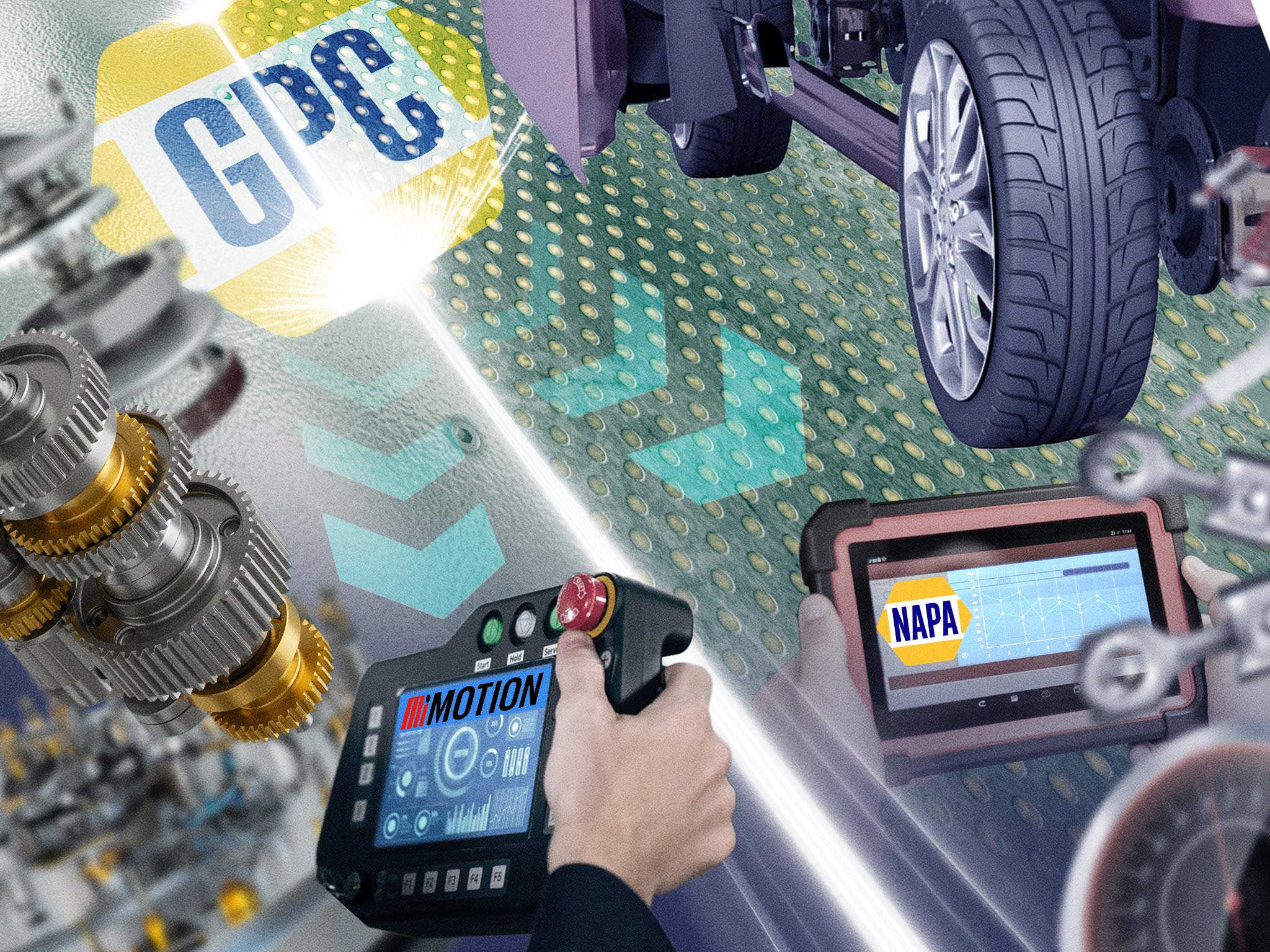


Genuine Parts Company (NYSE: GPC) will split into two new public companies to drive further growth, following pressure from an activist investor.
The owner of NAPA Auto Parts and Repair also operates a business that provides industrial parts.
The decision was made after Genuine Parts conducted a strategic review and agreed to an agreement in 2025 with activist investor and shareholder Elliott Investment Management who sought greater value from the company. The company added two new directors to its board after Elliott, who said it was one of the largest shareholders of Genuine Parts, pushed to add them.
The split will result in two publicly traded companies – Automotive Parts Group and Industrial Parts Group.
In recent years, activist investors have sought to help companies generate more growth by shedding their divisions that are not core to their operations or performing poorly. These shareholders have sought these changes, including board seats, stating that they believe these more focused businesses would bring greater value to shareholders.
The breakup is also an effort to give the two units more flexibility on how to grow the businesses, such as making investments.
Two new public companies in 2027
With a market value of over $16 billion, Genuine Parts was founded in 1928. The company has remained a large seller of automotive and industrial parts with 10,800 locations in 17 countries.
Separating the divisions into two independent companies will result in “greater focus on each unit’s operating efficiency, growth opportunities, and capital allocation,” wrote David Swartz, a senior equity analyst for Morningstar.
The company’s automotive business is the largest group of vehicle parts and repair stores globally and operates under the brand NAPA. It generated over 15 billion in sales and $1.2 billion of EBITDA in 2025.
The industrial unit, which operates under the Motion brand, produced $9 billion in revenue and $1.1 billion of EBITDA in 2025, and provides millions of parts for various industries such as chemicals, mining, and steel, to operate their industrial machines. The unit is also the second largest industrial distributor in the U.S. and had a leading share in the bearings and power transmission product category, he said.
In 2022, the company invested $1.3 billion to acquire Kaman Distribution Group, generating an even higher “cost advantage due to economies of scale and favorable volume-based purchasing terms with suppliers,” Swartz said. “Like its automotive segment, Motion leverages its existing distribution network and local inventory availability to meet time-sensitive demand from its industrial customer base. We expect Motion to bolster its superior scale over smaller industrial distributors by organically expanding its customer base and through tuck-in acquisitions in the coming years.”
The division of the two units could unlock more value for investors in the future as drivers are increasingly keeping their vehicles longer as the price of new cars rises and are instead spending money maintaining their cars. The large number of retail repair shops owned by Genuine could give the company a competitive edge.
For 2026, Genuine estimates that revenue will increase between 3% and 5.5%, which is higher than estimates of a 2.5% growth rate from Wall Street analysts. The company reported fourth quarter revenue climbed by 4.1% on a 1.7% increase in comparable sales.
Shares of Genuine Parts had increased by 20% year to date through February 14. The transaction is estimated to be completed during the first quarter of 2027 and does not require shareholder approval.
Genuine Parts will likely generate more growth as two leaner, more efficient companies.


Comments