




If you’re familiar with “The Graduate”, a classic 1967 coming-of-age film starring Dustin Hoffman, you may recall that his character is told to pursue a career in plastics. “There’s a great future in plastics,” a friend of the character’s parents explains.
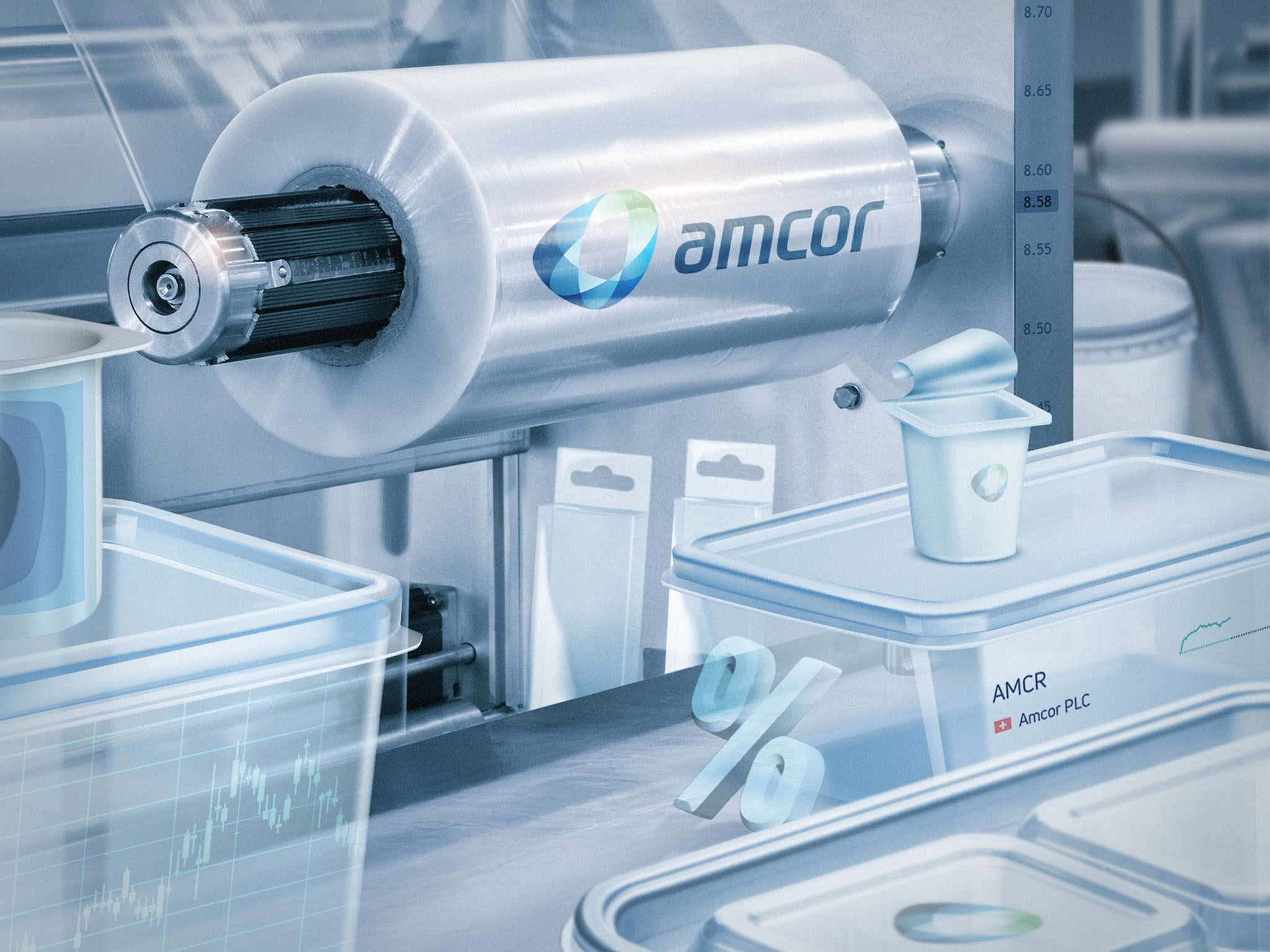
If you think plastics are still the thing, you might want to have a look at Amcor (NYSE: AMCR), the world’s biggest provider of plastic packaging. The Zurich-based company has a market capitalization of $19 billion.
It has two divisions: flexible packaging solutions and rigid packaging solutions. Flexible accounted for 57% of Amcor’s $5.75 billion in revenue for the quarter ended Sept. 30, and rigid solutions made up 43%.
The flexible side includes manufacturing operations for flexible and film packaging that wrap products in food and beverage, medical and pharmaceutical industries. That includes fresh produce, snack food and personal care products.
The rigid side consists of manufacturing operations for rigid containers that hold mostly foods and beverages, including carbonated soft drinks, water, juices, beer and sauces. There are also containers for personal care items and plastic caps for a wide variety of applications.
Troubled years
To be sure, the company has struggled over the past few years. The stock generated a negative annualized total return of 1.4% over the past five years.
Sluggish economies around the world put a damper on consumer and corporate demand for products with Amcor’s packaging. The company also had trouble integrating its $8.4 billion acquisition of competitor Berry Global, completed last April.
That purchase and Amcor’s buyout of competitor Bemis for $6.8 billion in 2019 have pushed the company’s debt burden higher. Net debt-to-EBITDA stood at 3.5 as of June 30. EBITDA is earnings before interest, taxes, depreciation and amortization.
But some analysts say the tide is turning for Amcor. The Berry purchase will juice sales, they note, especially on the rigid side, which accounted for the majority of its revenue.
Already, Amcor’s revenue soared 71% in the latest quarter from a year earlier to $5.75 billion. Going forward, the company will enjoy low-single-digit annual revenue growth, helped by “introducing Amcor’s business to Berry customers and vice versa,” says Morningstar analyst Esther Holloway. Amcor’s stock has risen 6.8% over the past three months.
Cost savings, debt reduction
Analysts say the Berry merger also will produce cost savings for Amcor. Already it reported cost savings of $38 million in the latest quarter thanks to the combination. And it forecast that cost savings will total $260 million for the fiscal year ending June 30.
Meanwhile, Holloway projects Amcor’s net debt-to-EBITDA ratio will slide to about 2 (from 3.5 in June) within the next three years.
Low transportation costs represent another strength for Amcor, she said, noting they are lower for the company than its peers. That’s important because “transport costs are particularly onerous for commodity thermoplastics once processed,” she noted.
A major factor behind Amcor’s transportation savings is that it often establishes its plants very close to customers, Holloway explained. “Generally, the two plants are practically connected.”
In addition, contracts for these arrangements are longer than normal — about seven years compared with two to three years.
So maybe going into plastics is still a good idea – almost 60 years after it was touted in “The Graduate.”


Comments